

Learn about Tunisia

Introduction: Understanding Tunisian Culture and Lifestyle
Tunisia is a country where history, modern life, and Mediterranean identity come together. Located in North Africa, it offers a unique cultural blend influenced by Arab, Berber, French, and Mediterranean civilizations.
For visitors and Arabic learners, understanding Tunisian culture is essential. It helps you connect with people, communicate better, and fully experience daily life in Tunisia.
Tunisian culture is not just something you observe — it is something you experience every day.
Tunisian Hospitality :A Core Cultural Value
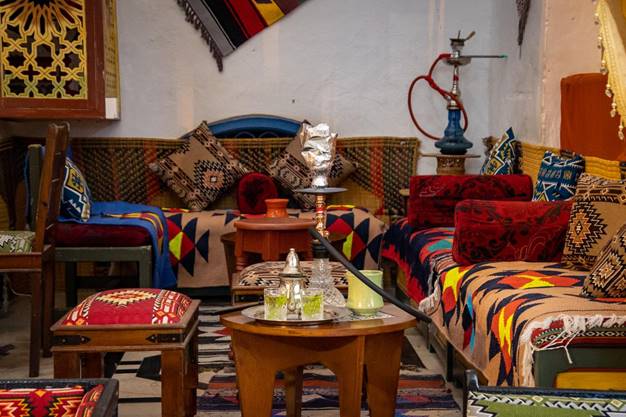
One of the most important aspects of Tunisian culture and lifestyle is hospitality.
In Tunisia:
- Guests are always welcome
- Tea or coffee is offered immediately
- Conversations are warm and friendly
- Sharing food is a sign of respect
Cultural Insight:
Hospitality is not optional in Tunisia, it is a social tradition deeply rooted in identity.
Daily Life in Tunisia – A Mix of Tradition and Modernity
Tunisian lifestyle is a balance between:
- traditional values
- modern urban life
- Mediterranean influence
In daily life you will notice:
- Cafés are social meeting points
- Families play a central role
- Work-life balance is important
- People enjoy long conversations
Life in Tunisia is generally relaxed, social, and community-oriented.
Tunisian Food Culture – A Social Experience
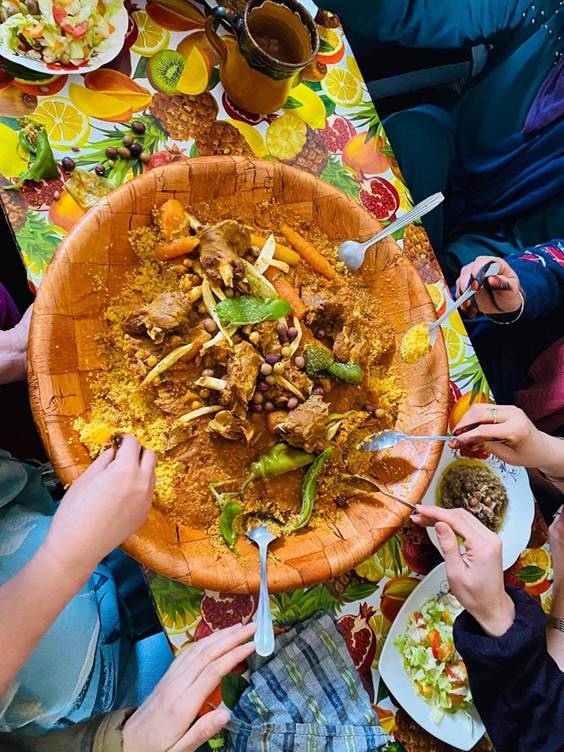
Food is a major part of Tunisian culture and lifestyle.
Popular dishes include:
- Couscous (national dish)
- Brik (crispy pastry with egg)
- Lablabi (chickpea soup)
- Harissa (spicy chili paste)
Cultural meaning:
Meals are not just about eating — they are about:
- family bonding
- social connection
- sharing and generosity
In Tunisia, food brings people together.
Language and Communication in Tunisia
Tunisian communication is a mix of:
- What you will notice:
- Code-switching between Arabic and French
- Informal, fast-paced conversations
- Friendly and expressive speech
Learning even basic Tunisian Arabic helps you connect deeply with locals.
Traditions, Festivals, and Cultural Identity
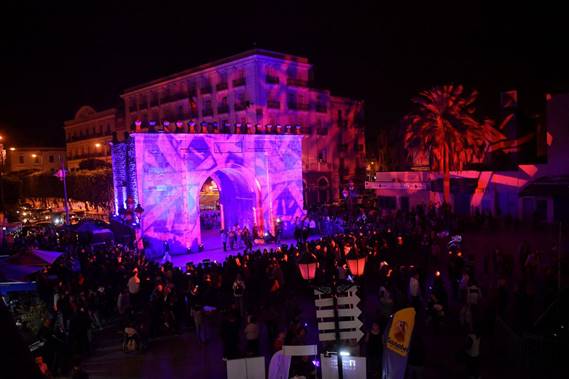
Tunisia has a rich calendar of cultural events and traditions:
Religious and cultural festivals:
- Ramadan evenings and traditions
- Eid celebrations
- Mawlid (Prophet’s birthday)
Social traditions:
- Weddings with music and dance
- Family gatherings
- Traditional music (Malouf)
These events reflect strong community bonds and cultural pride.
Tunisian Culture – A Blend of Influences
Tunisia’s culture is shaped by multiple civilizations:
- Berber heritage
- Arab-Islamic culture
- 🇫🇷 French influence
- Mediterranean lifestyle
Result:
A unique cultural identity that is:
- open-minded
- multilingual
- historically rich
- socially connected
Why Understanding Culture Helps Arabic Learners
For students learning Arabic in Tunisia, culture is not separate from language.
Benefits:
- better communication with locals
- faster language acquisition
- deeper cultural understanding
- more natural learning experience
Conclusion: Tunisia is More Than a Destination – It’s a Lifestyle
Tunisian culture and lifestyle offer a unique experience where tradition and modern life coexist naturally.



Hi, this is a comment.
To get started with moderating, editing, and deleting comments, please visit the Comments screen in the dashboard.
Commenter avatars come from Gravatar.